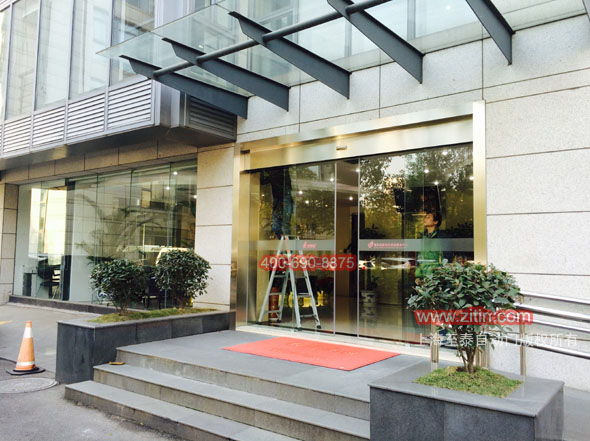
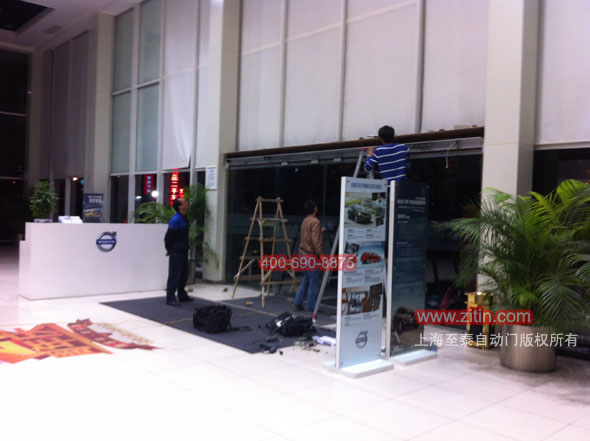
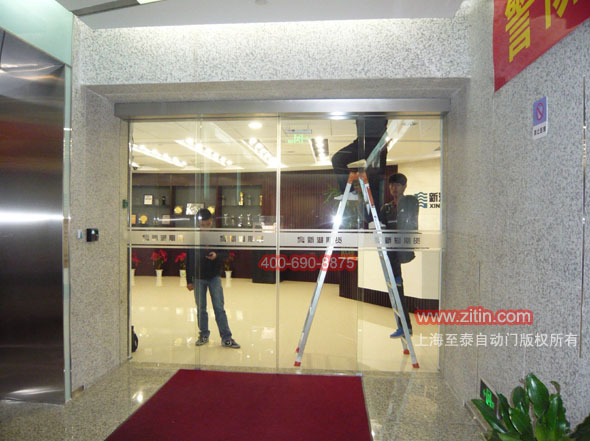
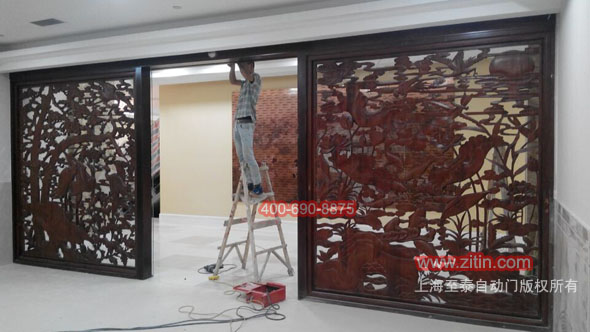
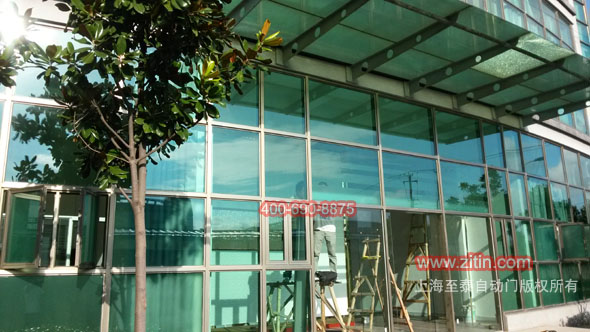
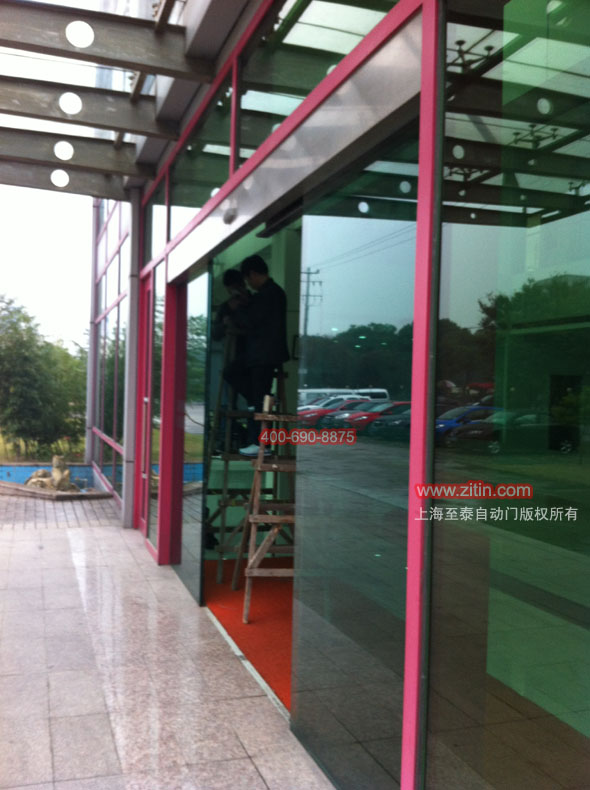
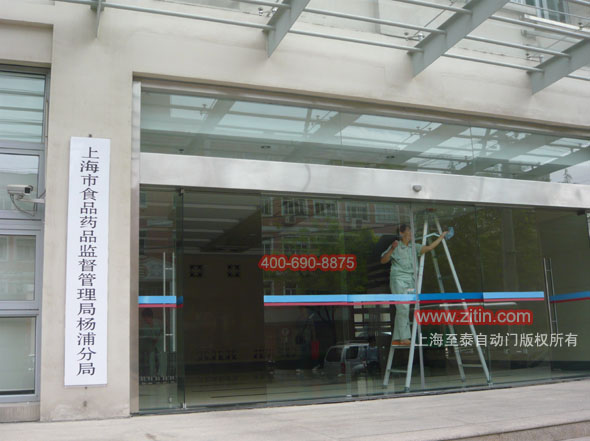
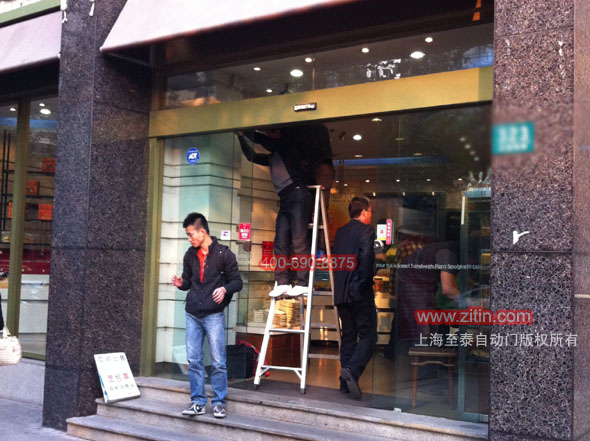
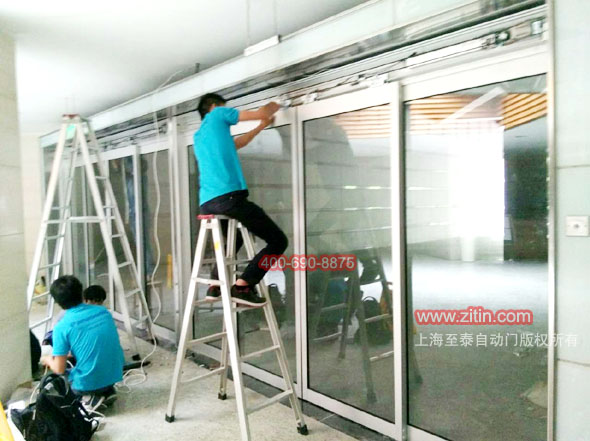
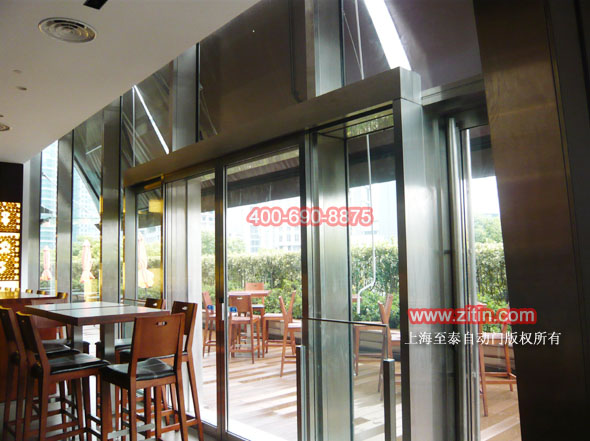
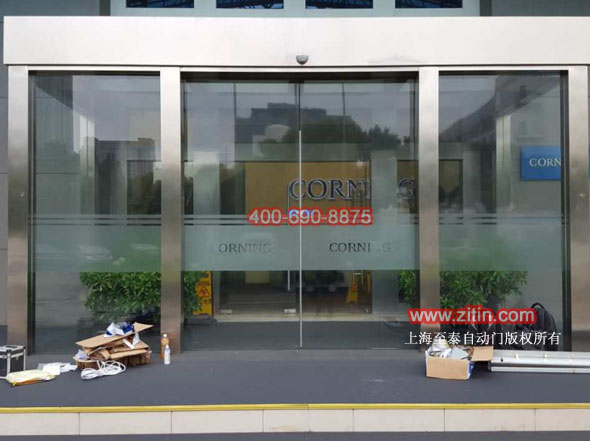
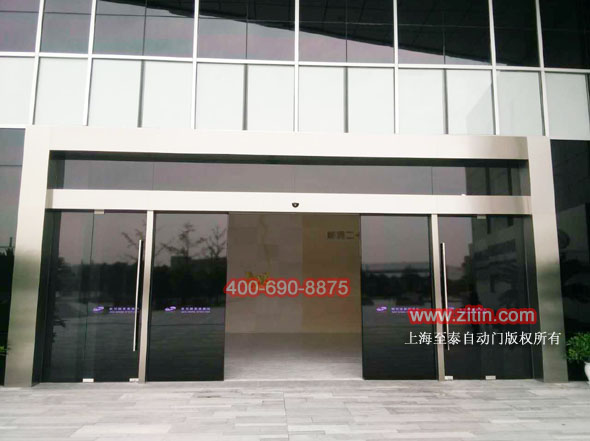
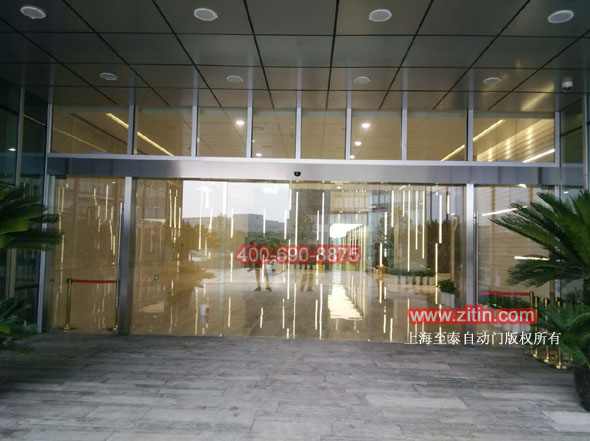
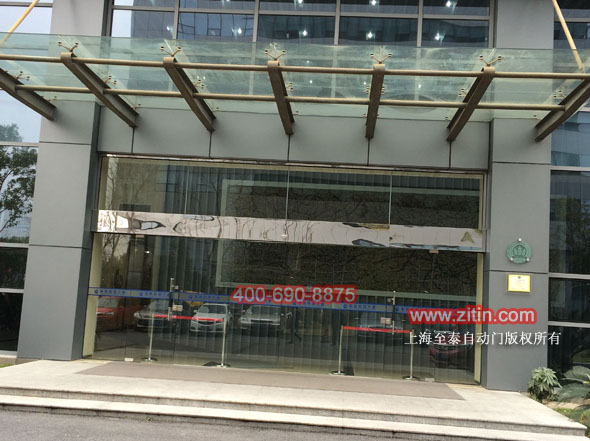
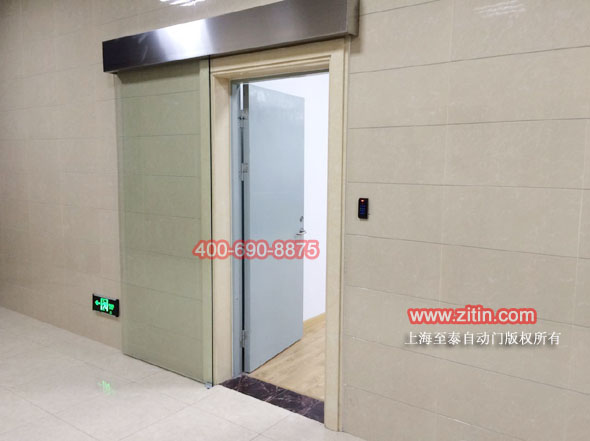
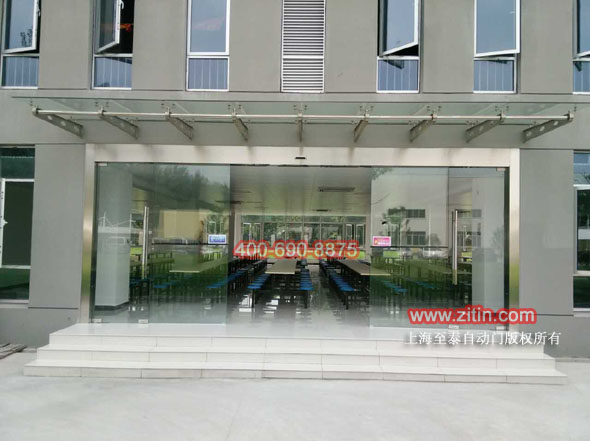
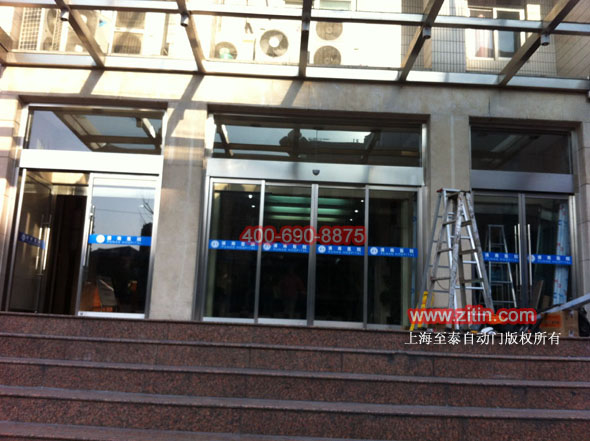
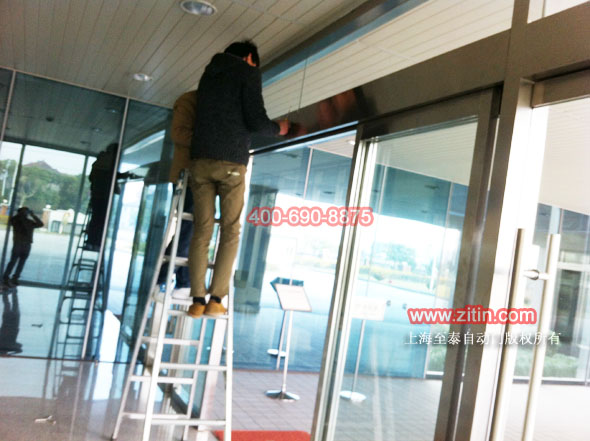
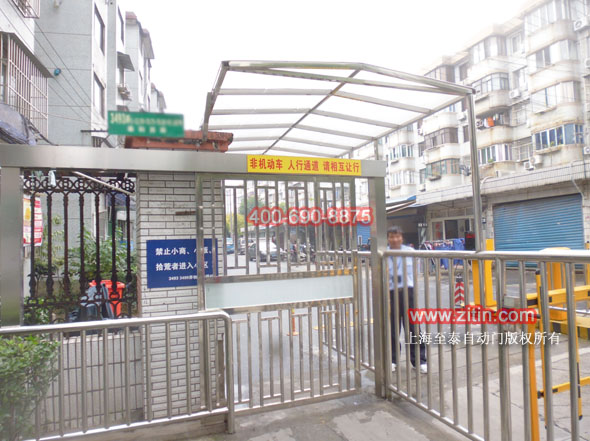
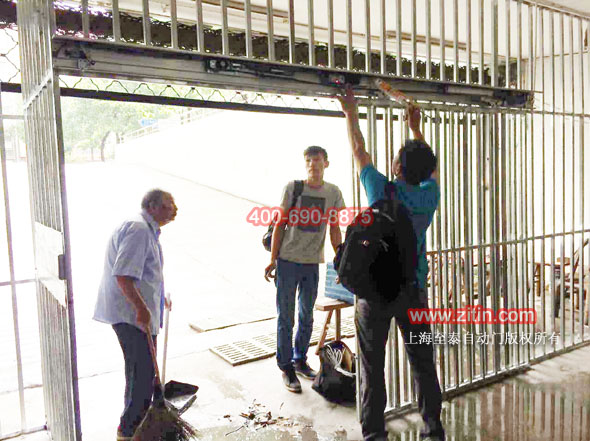
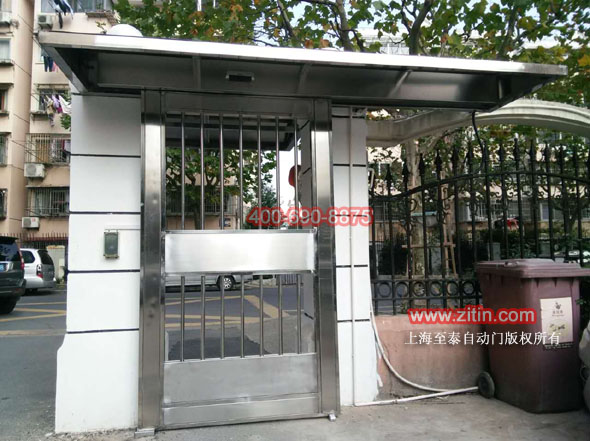
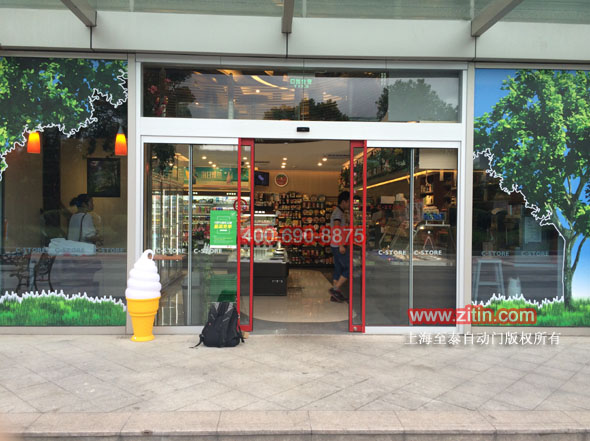
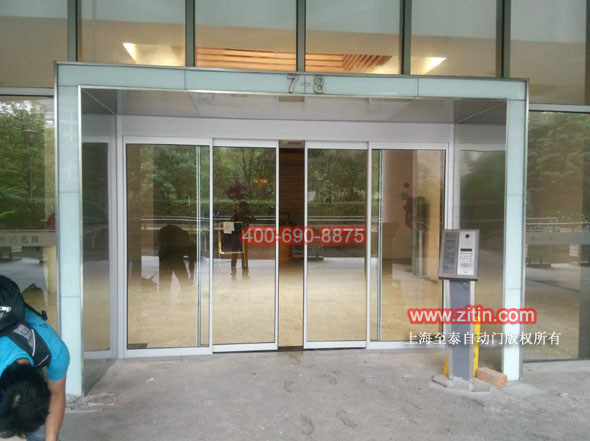
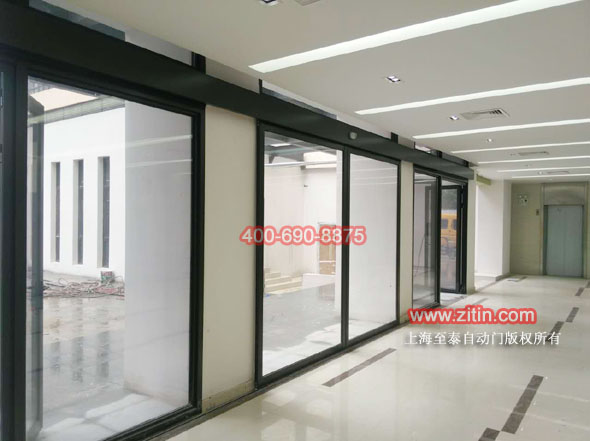
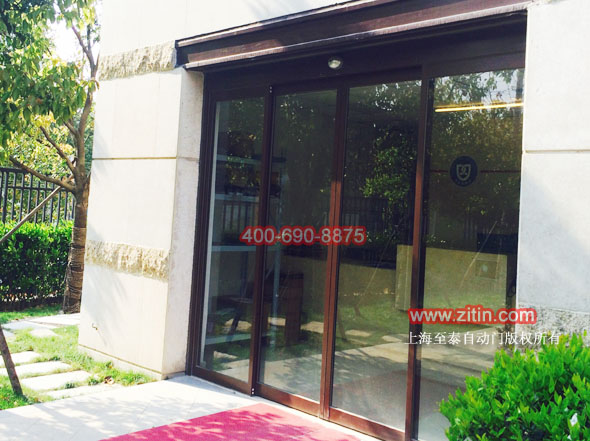
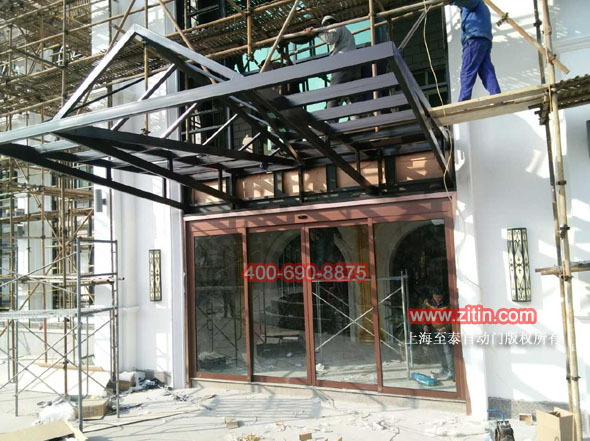
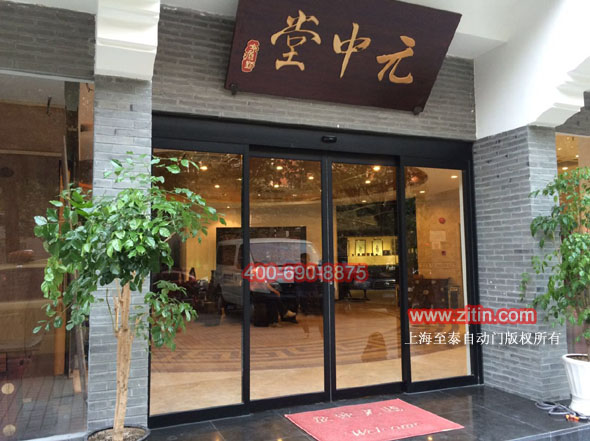
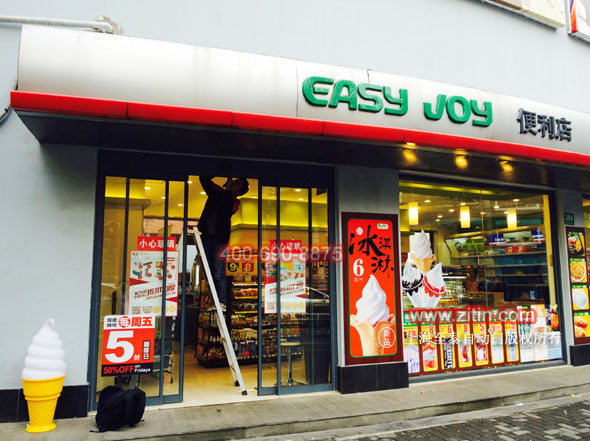
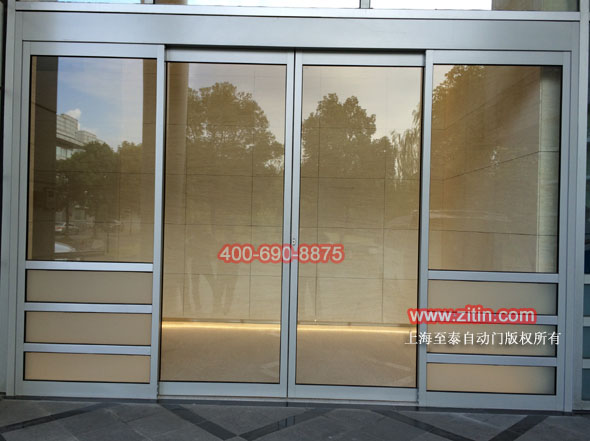
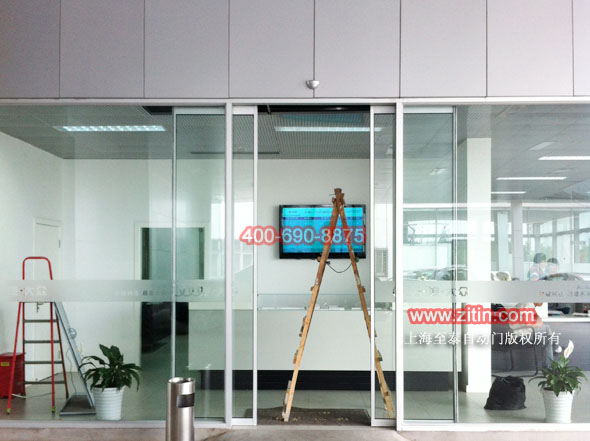
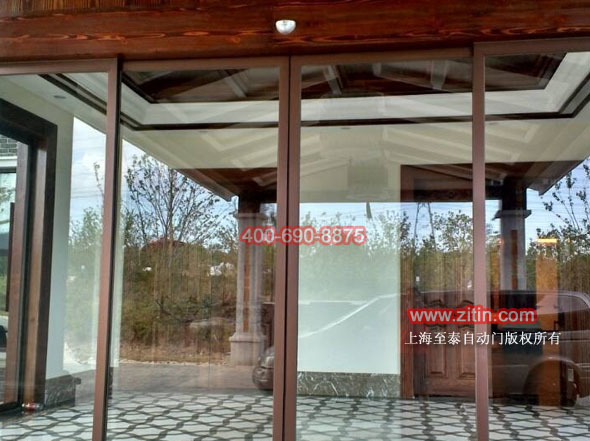
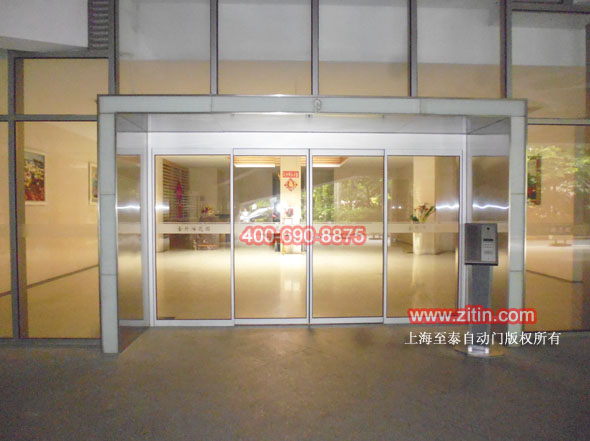
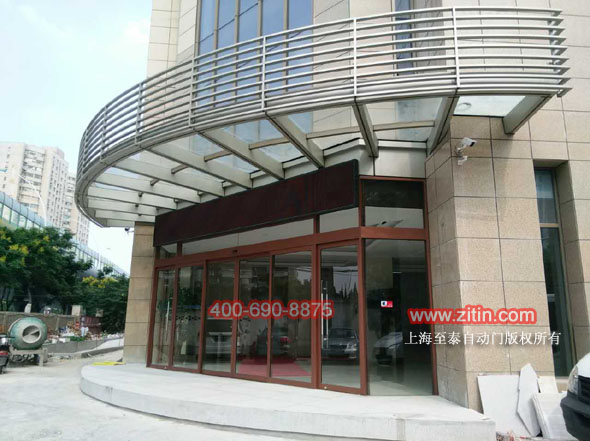
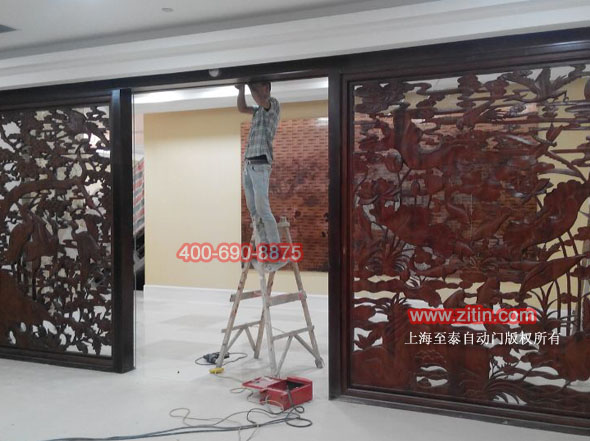
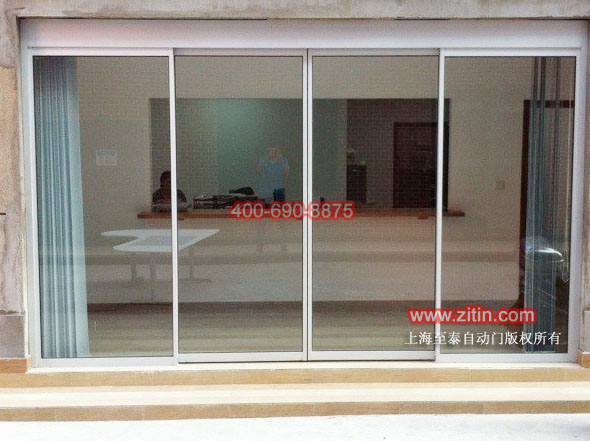
Shanghai Nanhui District automatic door repair, Lingang New ** sensor door TEL:+86 21 68568185 QQ:584655265 www.zitin.com/zdmwxAutomatic sensor doors and glass automatic doors are familiar to everyone, but what should we do when problems arise? Please contact Shanghai Automatic Door Zitin Installation Engineering Co., Ltd.
As we all k**, automatic sensor doors are commonly used in schools, factories and similar places, exposed to wind, sun and rain every day, so it is no surprise when a stainless steel automatic sensor door rusts. Sometimes it is indeed a product-** issue, but even the best material, used daily outdoors in the open air, will eventually have its protective film damaged and then rust easily. Do not worry; today the editors at Shanghai Automatic Door explain how to solve the rust problem of automatic sensor doors.。
Shanghai Nanhui Automatic Doors, Sensor DoorStainless steel relies on an extremely thin, tough, dense, stable chromium-rich oxide film (protective film) formed on its surface to prevent oxygen atoms from continuing to penetrate and oxidize, thereby gaining rust resistance.
Once this film is repeatedly damaged for any reason, oxygen atoms from air or liquid keep penetrating, or iron atoms keep separating out of the metal, forming loose iron oxide, and the metal surface keeps rusting. This surface film can be damaged in many ways; the most common in daily life are as follows.
1. Acidic, alkaline or salty substances adhering to the stainless steel surface (e.g. alkaline water or lime splashes from wall renovation) cause local corrosion.
2. Organic juices adhering to the stainless steel surface (e.g. from melons/vegetables, noodle soup, saliva) form organic acids in the presence of water and oxygen, which corrode the metal surface over time.
3. Dust containing other metallic elements or foreign metal particles deposited on the stainless steel surface; in humid air, condensation between the deposit and the stainless steel forms a micro-battery, triggering an electrochemical reaction that destroys the protective film - so-called electrochemical corrosion.
4. In polluted air (e.g. atmosphere containing large amounts of sulfides, carbon oxides and nitrogen oxides), condensation forms sulfuric, nitric or acetic acid droplets,
Having explained the above, consumers ** understand how damage to the stainless steel protective film causes rust. To keep the metal surface permanently bright and rust-free, we recommend:
1. Our stainless steel electric telescopic doors ship with white rust-removal powder in the header; dip a towel in a little powder and wipe the surface, which removes deposits and makes the material clearer and shinier.
2、Wipe the stainless steel automatic sensor door surface regularly; do not use a cloth soaked in acid or alkaline solutions, and preferably use a soft towel.。
3、When wiping the door, you can also apply commercially available rust-removal paste to rusty or heavily soiled areas before wiping; this removes deposits or rust spots and also forms a protective film on the surface.。
Now you k** automatic sensor doors can rust easily, so to keep them looking bright we should maintain and clean them regularly. The above methods help solve automatic sensor door rust and extend their service life.。
Automatic sensor doorsautomatic sensor door rust | automatic sensor door not moving | automatic sensor door will not open | automatic sensor door remote failure
Automatic doors in Shanghai ZitinShanghai Nanhui Automatic Doors, Sensor Door | access control for automatic doors | access control for sensor doors | access control for floor-spring doors. Competitive prices; welcome to call us to discuss.
|










 Current Location: Home >